
Where Salt, Stone, and Stories Hold Fast Against the Atlantic
By Jim Turner
Some towns feel like they were built for visitors.
Marblehead wasn’t.
Marblehead feels carved out of the coastline by men who refused to back down from weather, war, or the Atlantic itself. You don’t arrive here. You earn your way in. Granite shoulders guard the harbor. Streets twist like rope. Houses cling to the rock as if dug in for the long haul. This is a working shoreline with a long memory.
Every historic building, and there are a lot of them, carries a plaque stamped with its birth year and a small codfish. Marblehead doesn’t hide its story. It hangs it on the front door like a badge.
I came in early November. The kind of cold that stiffens your fingers and sharpens your appetite. Most of the boats were already pulled for winter. Just a handful remained, swinging on their moorings, riding gray chop under a hard sky.
Marblehead in summer is a postcard.
Marblehead in November is the truth.
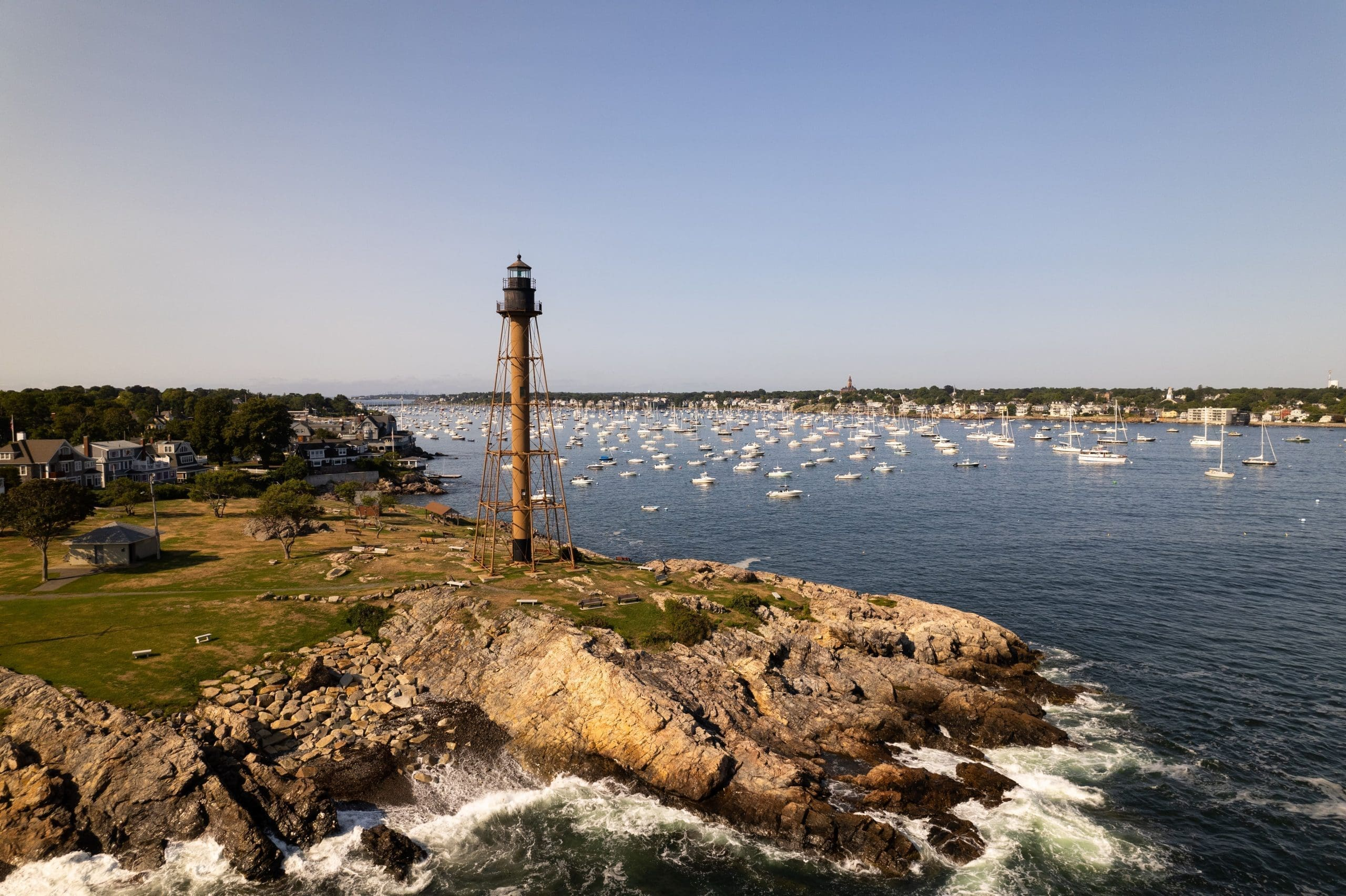
Marblehead Harbor in its easier season — sunlight, boats, and a lighthouse that has watched it all.
Barnacle: A Joint Built Into the Bones of the Harbor
I ended up at Barnacle, a little place cropped up on the side of the harbor, hanging out over the rocks like it had grown there naturally.
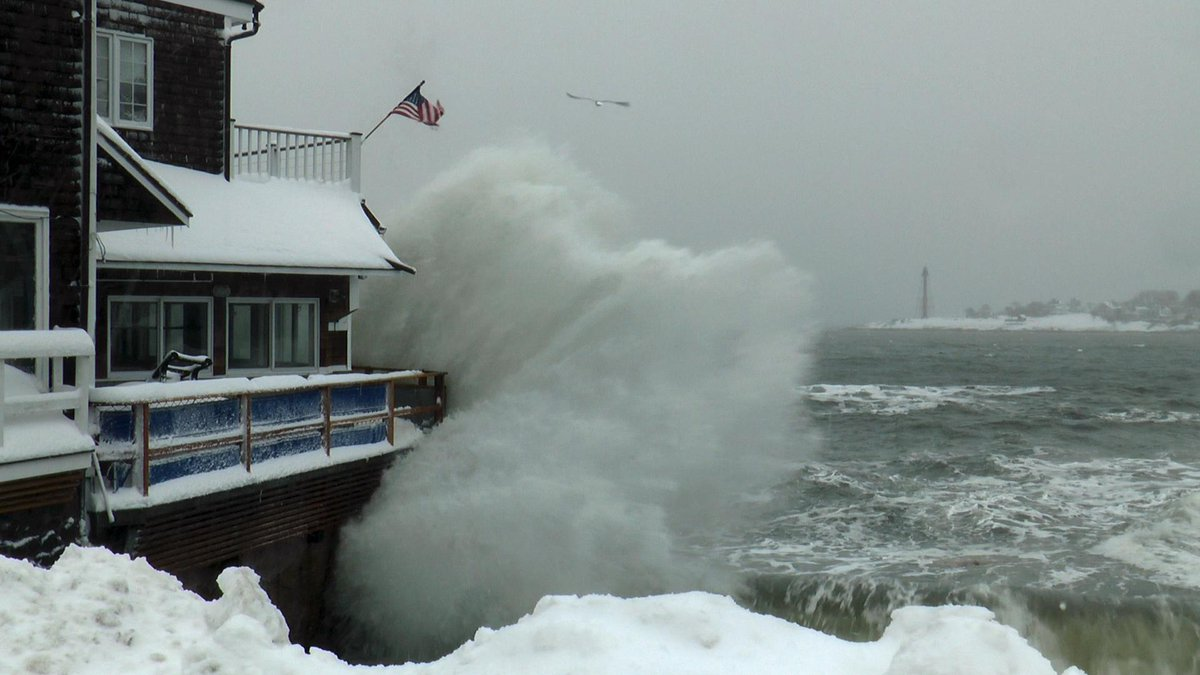
The Barnacle in a February nor’easter — a reminder that Marblehead doesn’t ask permission from the Atlantic.
DA locals’ joint. The kind that doesn’t try to impress you because it doesn’t need to. It knows exactly what it is.
I slid into a shallow counter seat by the window, the glass cold against my forearms. Outside, the tide slapped the rocks. Gulls complained in that dry, winter way of theirs. A waitress stopped by, friendly and calm, like someone who has lived through enough summers to appreciate the quiet season.
I ordered chowder, a lobster roll, and a cold Sam Adams. In New England, on a cold day, that’s not a beer. That’s a handshake.
When the lobster roll came, she pointed out the window toward one of the few boats still in the harbor.
“That’s the fisherman who caught your lobster,” she said.
“He brought them in this morning.”
You don’t get that everywhere.
That’s Marblehead. Honest food, caught by someone with weather in his eyes, brought in before the sun made up its mind.
The chowder was thick and old school, the kind that tastes like a town refusing to let go of its traditions. The lobster was fresh enough to prove she wasn’t lying. And the view was worth the price of admission alone.
A writer could spend an entire winter at that counter and never run out of things to say.
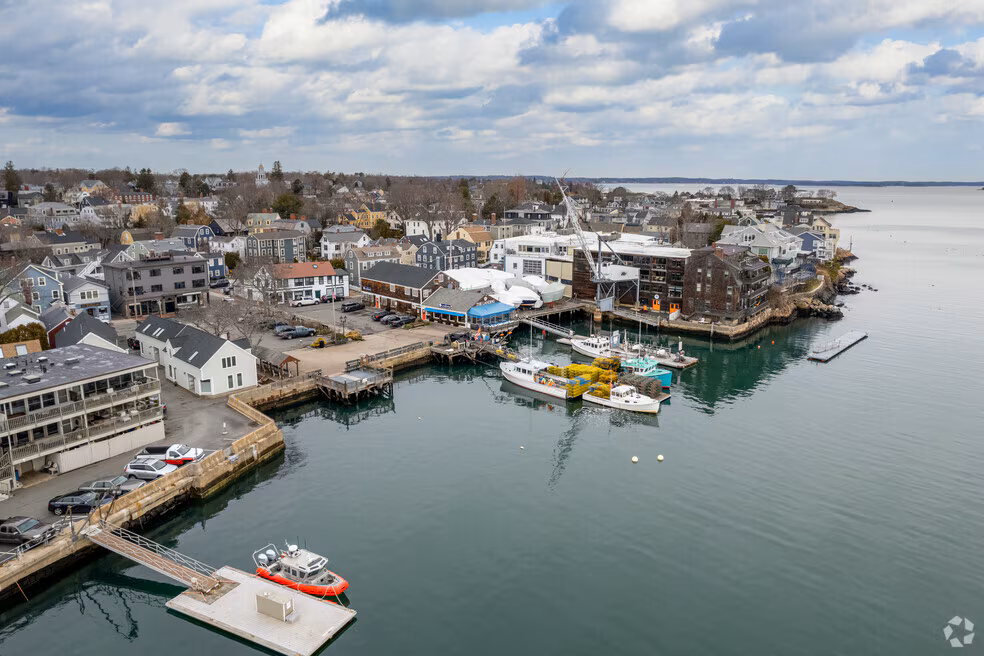
The Landing on Marblehead Harbor — part restaurant, part working waterfront, all New England.
The Landing: A Bigger Room With the Same Salt in Its Blood
After Barnacle, I walked down to The Landing Restaurant on a friend’s recommendation. Bigger room. More polished. Built for the summer rush, but not in a way that feels hollow. More like this place has seen generations come through and is ready for the next.
The food was classic New England done right. Fish and chips with the proper crackle. Fried clams that hit every nostalgia note. Oysters that tasted like the tide rolling in.
The staff and patrons were friendly in the way only harbor towns manage. Easy. Open. Willing to talk fishing, weather, or nothing at all.
A Town That Happens to Be a Waypoint
Marblehead doesn’t have one bar or one restaurant that defines it.
The whole town is the Waypoint.
It’s the granite. The gulls. The boats pulled for winter.
It’s the woman pointing out the fisherman who caught your lunch.
It’s chowder steam fogging the window while the tide gnaws at the rocks below.
It’s the kind of place you stop for a meal and stay because the stories feel older, and truer, than the ones you brought with you.
If you’re hunting bluefin off the Cape, you want to come here.
Because everything about Marblehead whispers the truth of maritime history. Not the polished version. The real one.
Salt-stained.
Wind-bitten.
Proud.
Unmoved.
The Waypoint That Holds Fast
When I walked back through town, daylight was running out. The harbor turned steel gray. The air smelled like winter and endings. But Marblehead didn’t feel empty. It felt like it was holding something in reserve for the people who understand it.
Some towns you pass through.
Some towns pass through you.
Marblehead does both.
Order something warm.
Sit by the harbor.
Let the wind tell you a story older than your own.
Because places like this aren’t just towns.
They’re waypoints. The kind you drift into without planning, and carry long after you leave.
